Your inoculant fixes nitrogen. Does it win the nodule?
A rhizobium strain that can’t outcompete native soil populations can’t deliver benefit. Lilac improves both: nitrogen fixing efficiency and competitiveness to claim the nodule. It’s the gap Lilac was built to fix.
What if your inoculant got the same attention as your seed?
Farmers have seen seed performance transform through decades of genetic science. Inoculants have been left behind.
Plant breeders spent 50 years systematically improving what’s inside the seed: yield, stress tolerance, disease resistance. The result was a revolution in what a farmer could put in the ground.
The same science has not been applied to inoculants. Most products use rhizobium strains identified decades ago from a USDA collection, largely unchanged since. Lilac is changing that.

What makes Lilac different?

We improve the biology of the microbe itself
- Lilac applies plant breeding logic to the microbe.
- We start with the best strains that exist, then make them better.
- We don’t accept legacy strains as the ceiling for rhizobium performance.
.avif)
We optimize for competitiveness, not just nitrogen fixation
- Better nitrogen fixation capacity matters but only if the inoculant strain actually wins the nodule.
- Your soil already contains native rhizobium populations.
- If your inoculant can’t outcompete them for nodule occupancy, the nitrogen fixation benefit from inoculation is lost before it starts. Lilac optimizes for both.
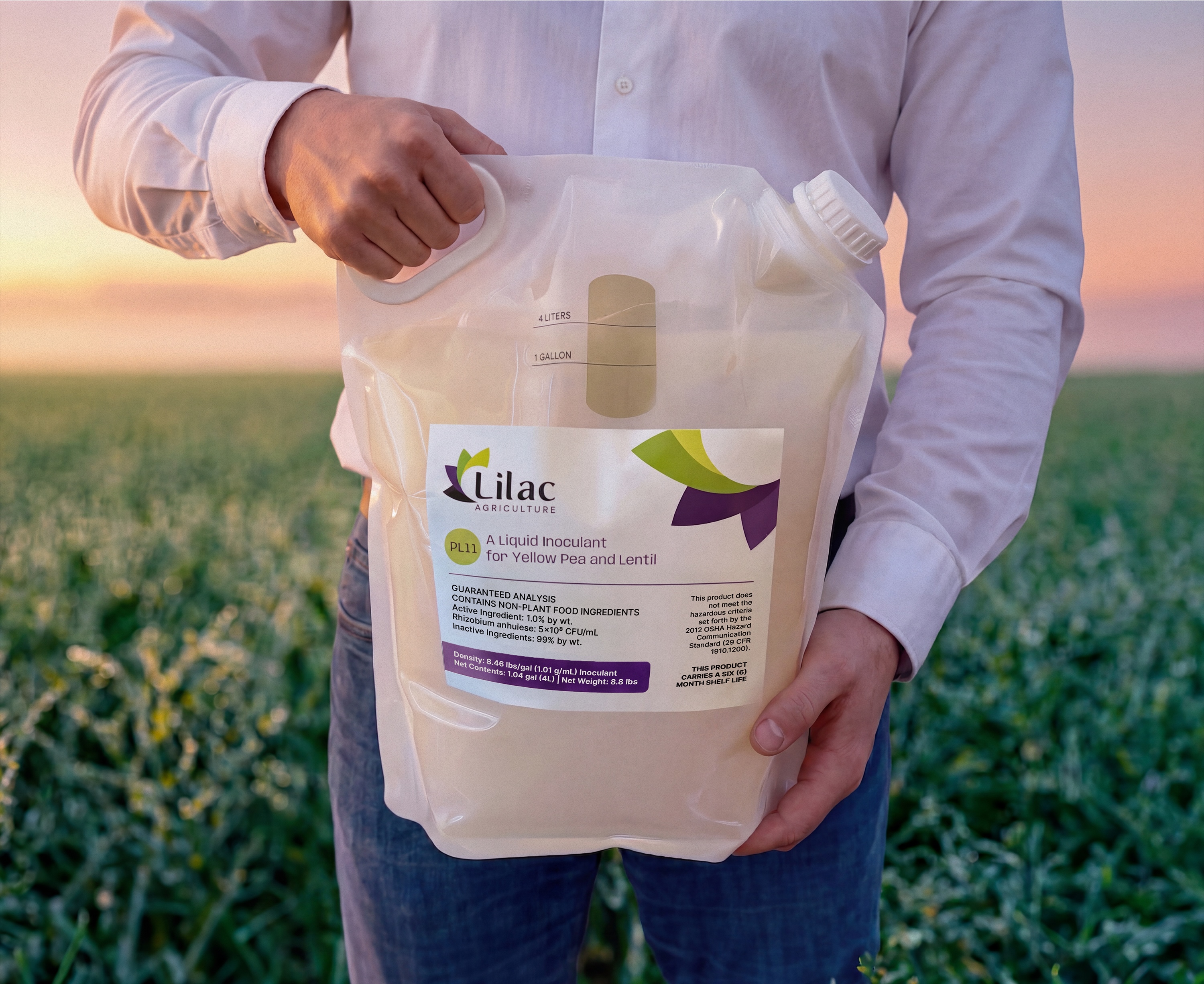
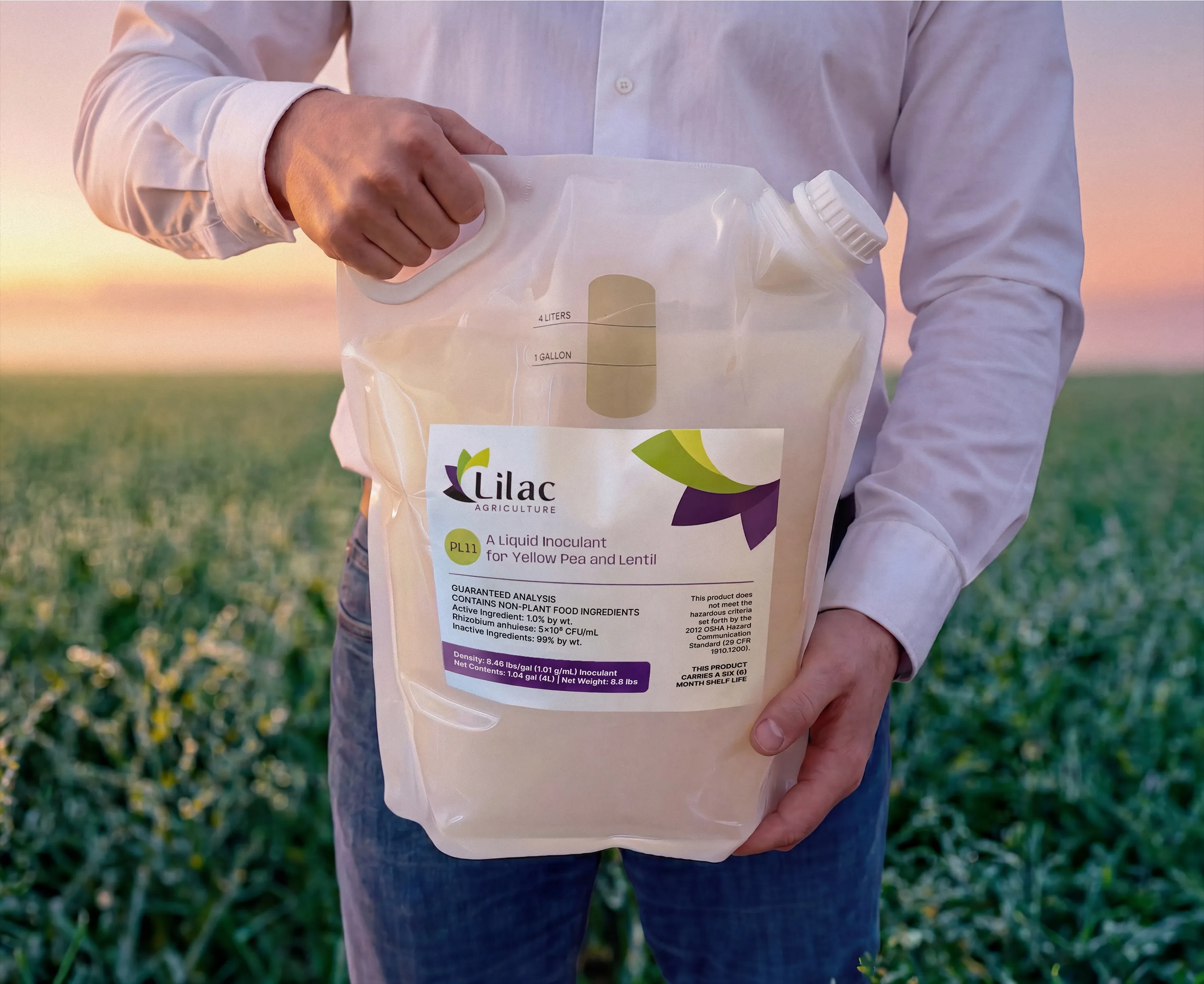
PL11
PL11 is our yellow pea and lentil inoculant for Spring 2026 planting, developed through intense selection in Northern Plains soils.
Learn moreNews from the lab and the field
Ready to outcompete?
.avif)